Lucknow: The rains had not yet come when the guns began, that June of 1857. Inside the high walls of the Residency, Sir Henry Lawrence paced the ramparts, watching smoke curl over a city he no longer controlled. Outside, in the lanes of Awadh, a different kind of leader was rising.
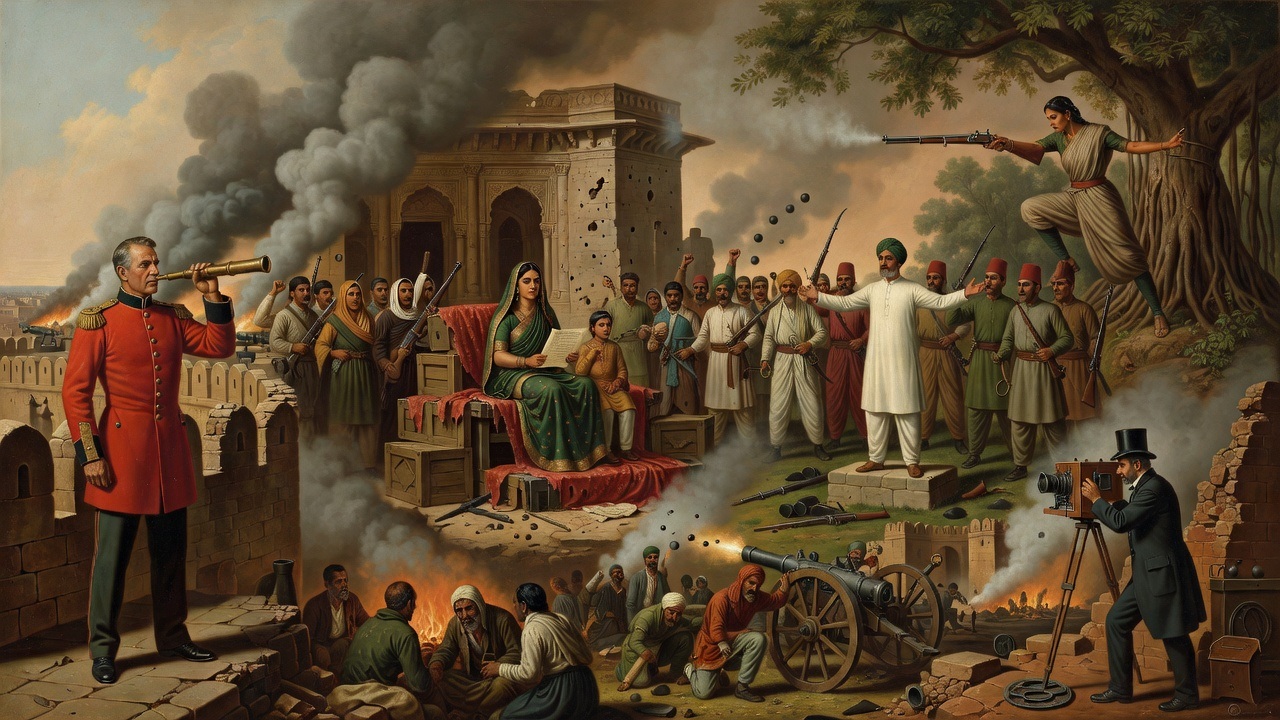
Begum Hazrat Mahal had watched her husband, Nawab Wajid Ali Shah, led away into exile the year before, his kingdom folded quietly into British ledgers. She did not follow him. Instead, she gathered her young son Birjis Qadr, placed him on a makeshift throne, and declared herself regent of a kingdom the British insisted no longer existed. From the gardens of Kaiserbagh, she issued proclamations, rallied soldiers and townspeople alike, and turned grief into government.

Not far away, a preacher named Ahmadullah Shah — the Maulvi of Faizabad — was doing what few could: uniting Hindu and Muslim fighters under one banner. At Chinhat, on the thirtieth of June, his forces met the British in open battle and broke them, sending the survivors stumbling back into the Residency they would not leave again for months. What followed was a siege of nearly half a year — cannon fire echoing through the nights, disease and hunger stalking both sides, the compound’s walls slowly pockmarked with the scars still visible today.
The fighting was not only the business of generals. At Sikandar Bagh, when British troops stormed the garden in November, a Dalit soldier named Uda Devi is remembered to have climbed into a tree and fired down upon them until she herself fell — an ordinary name folded into an extraordinary story, one the grand histories nearly forgot. A photographer named Felice Beato would later capture the garden’s aftermath in images that still haunt archives today. Elsewhere across the city — at Alambagh, at Dilkusha Kothi, in the courtyards of Firangi Mahal where scholars once taught and Gandhi himself would later walk — the fighting and the resistance took root wherever the British thought themselves safe.
By 1858 the Residency had fallen, the rebellion crushed, and Hazrat Mahal fled north into Nepal, where she would live out her days refusing every British offer of pardon or pension, dying in exile still uncrowned but unbowed.


Lucknow did not stay silent. Nearly sixty years later, in December of 1916, the city hosted something the empire had not anticipated: unity. In the halls of the Rifa-e-Aam Club at Qaiserbagh — built, defiantly, because Indians were barred from British clubs — and in the crowds that gathered at Jhandewala Park, the Congress and the Muslim League met side by side. In the negotiations that followed — steered by Tilak’s persistence and Jinnah’s diplomacy — the two parties struck a pact for shared self-government. At Charbagh station that season, a young Jawaharlal Nehru shook hands for the first time with Mohandas Gandhi, two men whose paths would soon reshape a continent. A decade on, in that same city, the Indian Independence League would be formed, and Subhas Chandra Bose would stand before the students of Lucknow University, urging them toward nothing less than complete independence.
And when politics gave way to fire again, it was near Lucknow that Ram Prasad Bismil, Ashfaqullah Khan, Rajendra Lahiri, and Roshan Singh robbed a train at Kakori in 1925 to fund a revolution — a plot that ended for several of them at the gallows, and began for the country a new kind of martyrdom, written in verse as much as blood.
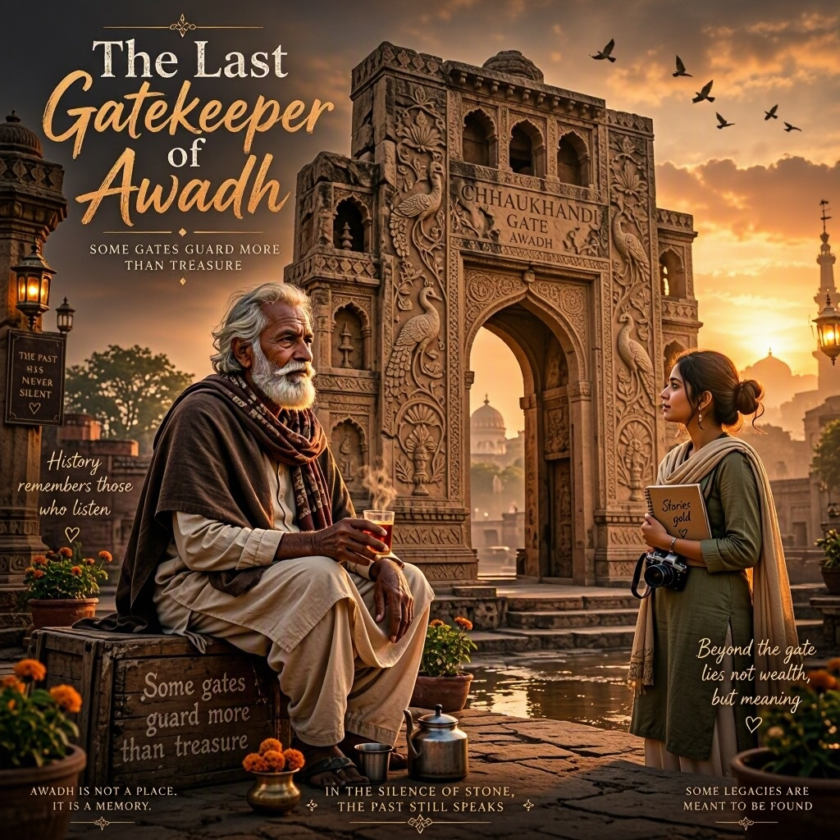
The Residency still stands, its broken walls kept broken on purpose, a monument that refuses to be repaired. Walk its grounds today and the past does not feel distant — Lucknow remembers everything: the regent who would not surrender her son’s throne, the woman who fought from a tree, the rivals who once, briefly, chose to stand together. Freedom, the city insists, was never won in only one place. Some of it was won here.












 https://www.youtube.com/watch?si=RtToJsBhYBatUrym&v=mOuYNSdhjHA&feature=youtu.be